COMMON MEASUREMENTS OF DOWN QUALITY
Down Content
Fill Power
Turbidity
Oxygen NO.
Fat & Oil
Color (Non-white)
Down content refers to the proportion of down in the specific amount of feather & down filling material. Down includes down cluster, nestling down, plumule down and damaged down. Down content is one of the most critical quality measurement indicators for feather & down raw materials and finished products. Down content is also the critical factor that will influence the price in the feather & down trading. Higher down content usually represents the better fill power performance and insulation ability of a down product.

“Fill Power” is a critical indicator which reflects the insulation ability of feather & down products, which is also a measurement of the space occupied by a designated material. The higher fill power means it keeps more air volume, namely the better insulation ability. The international unit of fill power measurement is in³/30g, it says under certain conditions, the exact cubic inch of 30 grams of down occupied. Down content is closely related to fill power.
Professional explanation by Huaxiong, Wang
Fill Power is an indicator of measuring the quality of down washing, drying, and storing. Meanwhile, it’s also a key factor of insulation ability. Fill power is not a fixed indicator after years of observations and experiments. Longtime storage, pressure or freezing could reduce the fill power, but it could be recovered to some extent after proper treatments.
Professional explanation by Huaxiong, Wang
Fill Power is an indicator of measuring the quality of down washing, drying, and storing. Meanwhile, it’s also a key factor of insulation ability. Fill power is not a fixed indicator after years of observations and experiments. Longtime storage, pressure or freezing could reduce the fill power, but it could be recovered to some extent after proper treatments.

Turbidity is a key indicator which represents the cleanliness of feather & down materials. Typically, the turbidity is measured by observing the solution sample after down wash. The total quantity of insoluble particulates remained in the solution sample after down wash determines the result of turbidity, whether the particles are organic or inorganic.
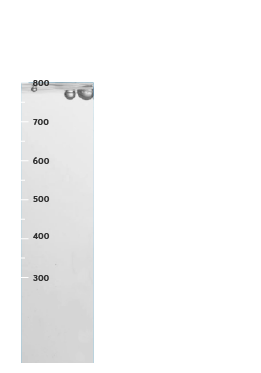
Oxygen No. represents the volume of reducing substances remained in feather & down material. This indicator is measured by the amount of oxygen that has been consumed by the reducing substance when oxidized under certain conditions. The unit of Oxygen No. is mg (oxygen)/ 100g (down).
Down’s chemical property is quite stable; it is hard to be oxygenated. The reducing substances inside has active chemical property, whether they are organic or inorganic. In some cases, such as humid environment, reducing substances will help microorganism increase and damage the feather & down quality. Reducing substances could be largely decreased after the proper washing process. Therefore, the Oxygen No. is a critical indicator in the down quality evaluation.
Down’s chemical property is quite stable; it is hard to be oxygenated. The reducing substances inside has active chemical property, whether they are organic or inorganic. In some cases, such as humid environment, reducing substances will help microorganism increase and damage the feather & down quality. Reducing substances could be largely decreased after the proper washing process. Therefore, the Oxygen No. is a critical indicator in the down quality evaluation.
Waterfowl plumages are covered by fat and oil. The fat and oil can be removed during the washing process. Therefore, the fat & oil rate is another important indicator of down quality after wash.
Method of measurement: The Soxhlet method is generally applied in all kinds of feather & down test methods standards. The technique is dissolving the fat from the plumages in some organic solvent (e.g., ether or diethyl ether). After the solvent has vaporized, weight the fat left inside, then calculate the fat & oil rate.
Method of measurement: The Soxhlet method is generally applied in all kinds of feather & down test methods standards. The technique is dissolving the fat from the plumages in some organic solvent (e.g., ether or diethyl ether). After the solvent has vaporized, weight the fat left inside, then calculate the fat & oil rate.

Color (Non-white) is a technical term in feather & down industry. It refers to the proportion of non-white plumages that existed in the entire batch, which is also called the “Black Spot”. Black spots are natural marks existed in mature goose and duck plumages (except some color marks made by breeders). Black spots don’t mean inferior quality or impurity, actually they are the symbol of mature down with high quality. It doesn’t affect the fill power or insulation ability. There is no 100% pure white goose down in the world. However, most of the down beddings and some down jackets are using white or light color fabric. In that case, the volume of black spots is required to be kept as low as possible. Generally black spots can be eliminated by hand but comes with low efficiency and high cost. Some factories use the machine to pick the black spots, yet both the efficiency and cost are unsatisfied.